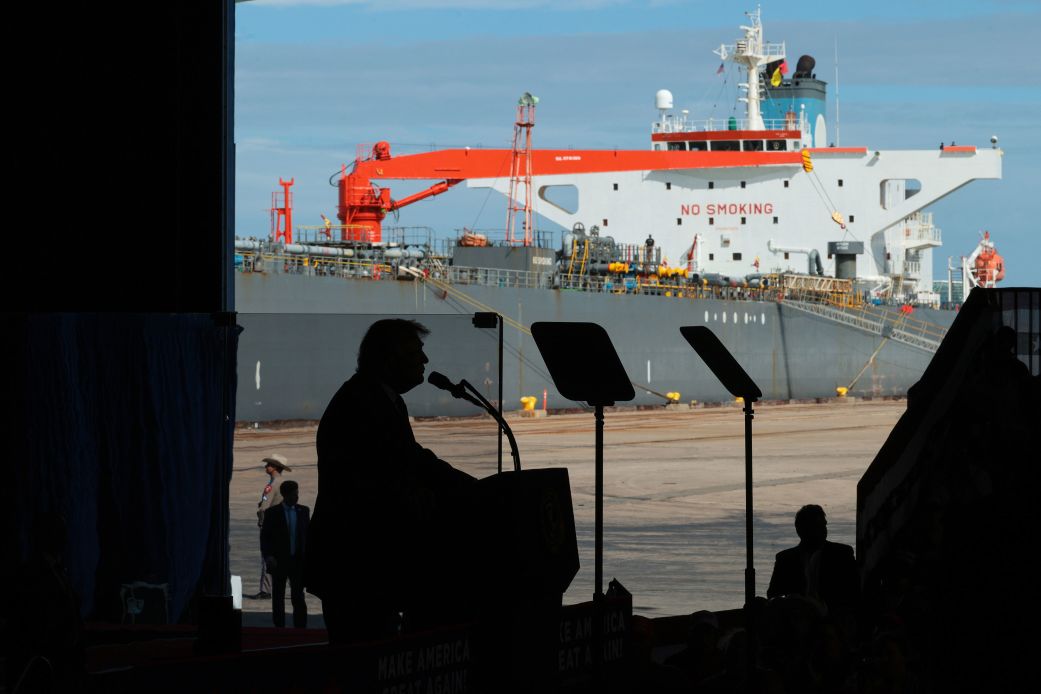
When President Donald Trump claimed that Venezuela had “gifted” the United States one million barrels of crude oil without costing American taxpayers a single cent, the statement immediately raised eyebrows across energy markets.
While the headline sounded like an unprecedented diplomatic concession, the commercial reality beneath the surface reveals a far more complex transaction—one driven by private equity agreements, high-stakes infrastructure deals, and unconventional accounting rather than genuine charity.
The Surprise Behind the Announcement
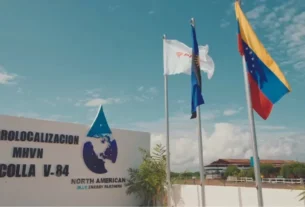
The declaration of a zero-cost crude transfer surprised industry insiders and energy analysts, including partners involved in Venezuelan extraction operations. Producers operating on the ground—most notably North American Blue Energy Partners (NABEP)—have been working under commercial contracts, not humanitarian donation frameworks.
Transporting, extracting, and refining heavy crude from Venezuela’s Orinoco Belt and Lake Maracaibo carries significant overhead. The notion that crude arrived as a literal “free gift” obscures how modern resource concessions and government-backed energy partnerships actually function.
Unpacking the Math: How Was It “Free”?
The claim of a “costless” transaction boils down to contractual mechanics and long-term financial structuring rather than an outright donation:
-
Production Sharing & Offtake Rights: Under the partnership framework established with NABEP, the U.S. government negotiated rights to purchase portions of extracted crude at production cost, alongside equity stakes tied to concession agreements.
-
Barter & Concession Offsets: Rather than paying out-of-pocket cash from federal budgets, the shipment’s cost basis was absorbed through operational credits, future royalty adjustments, and concessions granted for oilfield rehabilitation.
-
Refining Realities: The heavy crude delivered to Gulf Coast refineries provides crucial feedstock for facilities built specifically to process sour crude blends. While taxpayers did not write an upfront check, private operators and future yield structures ultimately foot the economic bill.
The Broader Geopolitical Context
The shipment highlights Washington’s evolving economic leverage in Caracas:
-
Securing Critical Reserves: Through long-term agreements covering major blocks across Lake Maracaibo and the Orinoco Belt, international consortia are attempting to revive fields holding billions of barrels in proven reserves.
-
Re-routing Supply Chains: As global energy trade shifts, bringing Venezuelan barrels back into American refineries reduces reliance on Middle Eastern or transatlantic alternatives.
-
Political Framing vs. Commercial Reality: Framing complex commercial concessions and debt/equity offsets as diplomatic “gifts” serves domestic political messaging, but energy economists view it as standard resource monetization under restructured concession terms.
Looking Ahead
While headline-grabbing statements simplify the transaction, the actual transfer represents a strategic commercial maneuver. As additional shipments make their way to U.S. ports, market watchers will be scrutinizing the transparency of NABEP’s long-term financing and how Venezuela’s domestic authorities balance these foreign concessions against public revenue needs.