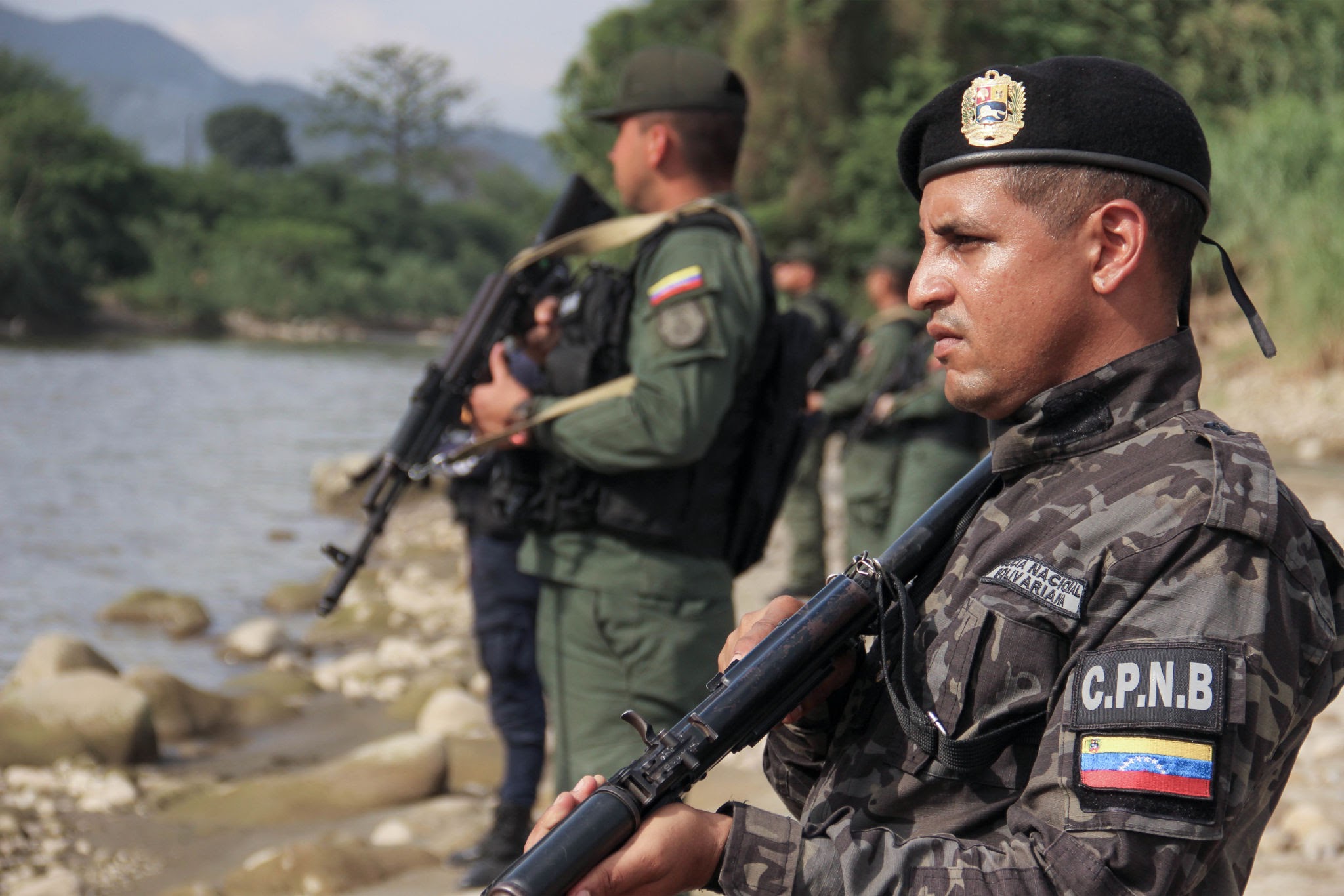
In a major tactical shift along the Colombia–Venezuela frontier, Venezuelan armed forces launched a targeted military strike against a rebel encampment in the western border state of Apure, killing at least 19 individuals.
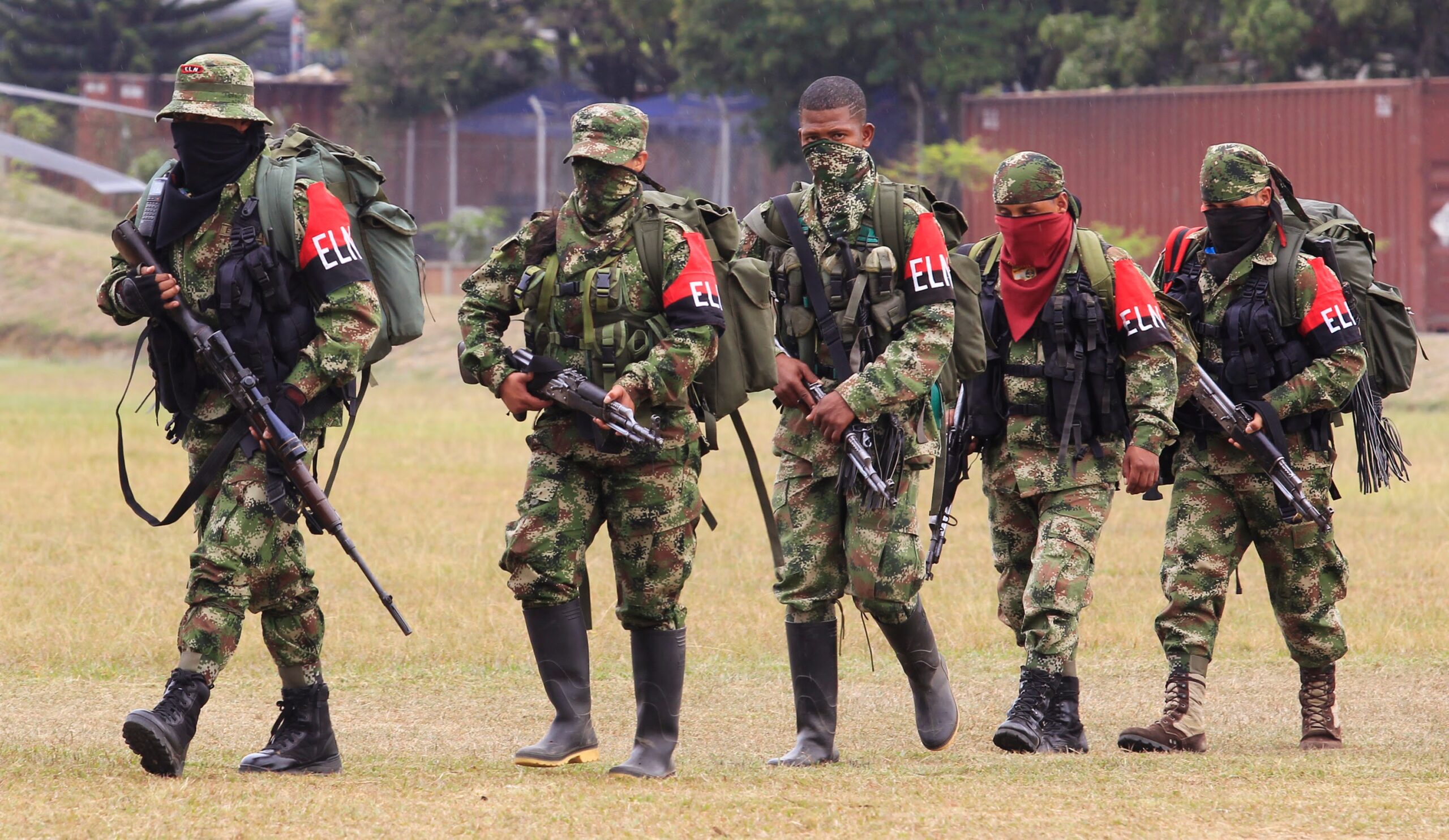
The assault targeted positions belonging to Colombia’s National Liberation Army (ELN), marking one of the deadliest and most direct operations by Venezuelan forces against the leftist guerrilla organization in recent years.
The Raid on Buena Vista del Meta
According to local rights monitors—including Venezuelan human rights NGO FundaRedes—as well as regional security sources, the operation unfolded in the rural sector of Buena Vista del Meta in Apure state.
-
Air and Drone Deployment: Venezuelan military units utilized a combination of armed drones and helicopter gunships to bomb the clandestine guerrilla installation.
-
Casualties Confirmed: At least nine bodies were transported to San Fernando de Apure, the state capital, with ten additional bodies reported at the impact site.
-
Spillover Across the Arauca River: Several wounded combatants reportedly fled across the nearby river border into Colombian territory to escape the aerial bombardment.
Neither the Venezuelan interim government nor the defense ministry has released an official casualty roster, but local sources indicate recovery efforts and border sweeps are continuing.
A Stark Policy Reversal
For nearly two decades under Hugo Chávez and Nicolás Maduro, Venezuelan authorities maintained a tacit tolerance toward Colombian guerrilla factions operating along the border, treating them as ideological buffers or coexisting within rural contraband corridors.
Security analysts view this strike as a sharp departure from that historical alignment:
-
Strategic Realignment under Rodríguez: Following the political shift in Caracas earlier this year and interim President Delcy Rodríguez’s outreach to Washington, Caracas is eager to demonstrate operational control over ungoverned border corridors.
-
Pressure on Foreign Guerrilla Factions: The strike sends a direct warning to non-state armed actors that Venezuelan sovereign soil will no longer serve as a sanctuary for cross-border operations.
-
Intelligence and Logistics Scrutiny: Regional reporting suggests the operation relied on sophisticated surveillance and targeted coordinates, pointing to expanded border monitoring capabilities across the Orinoco and Apure basins.
Regional Repercussions Along the Colombian Frontier
The attack coincides with a broader regional crackdown against transnational insurgent networks. In Colombia, newly elected President Abelardo de la Espriella has taken an uncompromising stance against the ELN and drug-trafficking syndicates, ending stalled peace talks and stepping up kinetic pressure.
As search operations in Apure continue, security officials in neighboring Colombian border departments like Arauca and Vichada have placed border garrisons on high alert, anticipating potential retaliatory ambushes or influxes of displaced combatants attempting to regroup across the frontier.