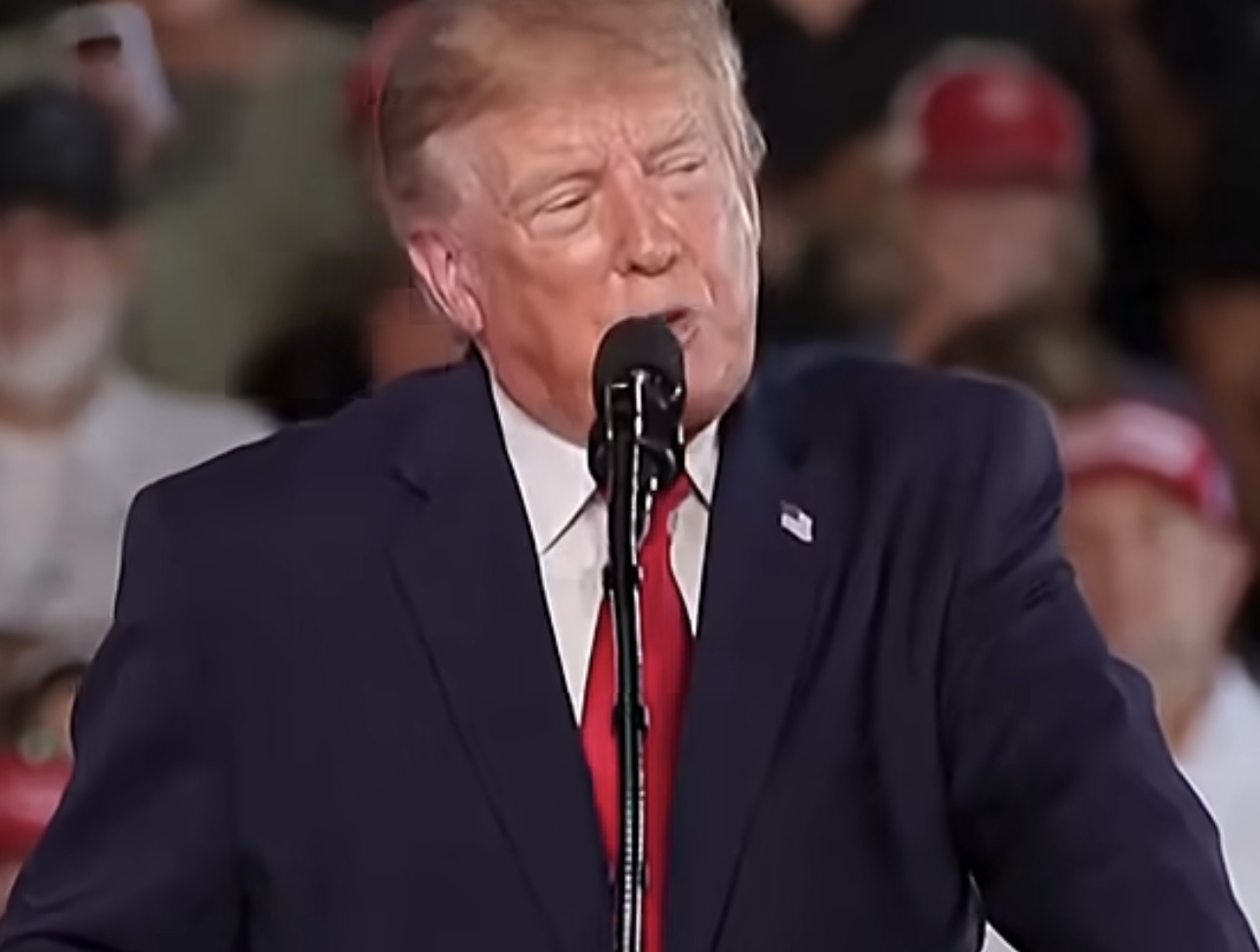
During an energetic appearance before crowds in Corpus Christi, Texas, former President Donald Trump ignited international debate by pointing toward an oil tanker off the coast and suggesting Venezuela could become America’s “51st state.”
“See that little ship out there? It’s got 1 million barrels of oil on it from Venezuela,” Trump told supporters, recounting recent geopolitical moves in the region and touting new energy flows into Gulf Coast refineries.
While the “51st state” remark drew cheers from the audience, foreign policy experts and regional analysts see it as political theater that underscores a far deeper strategic ambition: re-anchoring Venezuelan oil directly into the United States energy grid.
Political Showmanship with Strategic Motives
Trump’s offhand remark is characteristic of his transactional rhetoric on foreign policy. However, the optics of celebrating crude deliveries at a major Texas export terminal highlight the core stakes:
-
Securing Heavy Crude Supplies: Texas and Louisiana refineries were custom-built to process heavy, sour crude blends typical of Venezuela’s Orinoco Belt.
-
Countering Global Rivals: For years, Caracas relied heavily on trade links with China, Russia, and Iran. Showcasing Venezuelan barrels arriving directly at American ports sends an overt geopolitical signal that Washington intends to reclaim economic primacy in the Western Hemisphere.
-
Domestic Energy Framing: Framing oil transfers as direct wins for American consumers allows political leaders to tout lower gasoline prices and energy dominance ahead of crucial electoral cycles.
Diplomatic Pushback Across Latin America
Statements hinting at territorial expansion or sovereign absorption inevitably provoke backlash across Latin America, where memories of historical interventionism remain sensitive.
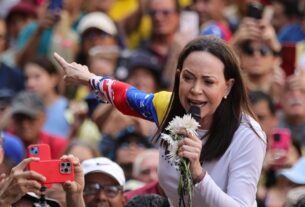
Diplomats in Caracas and neighboring South American capitals maintain that national sovereignty and control over natural reserves are non-negotiable red lines. Even Venezuelan opposition figures who favor privatization and foreign capital investment caution that treating sovereign resource trades as unilateral territorial influence risks undermining domestic support for broader economic partnerships.
The Realistic Path Forward: Concessions, Not Statehood
Despite the sensational headlines, no serious diplomatic roadmap envisions Venezuela formally integrating into the United States. Instead, the real economic shifts are occurring through commercial contracts:
-
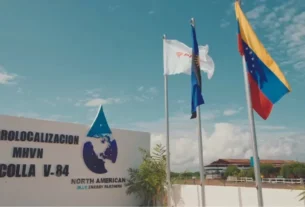
Private Joint Ventures: Global energy consortia and private equity groups are negotiating concession blocks in Lake Maracaibo and eastern oilfields.
-
Infrastructure Rehabilitation: Billions in private capital will be required to repair pumping stations, pipelines, and electrical grids damaged by years of underinvestment.
-
Debt-for-Equity Swaps: Bilateral negotiations will likely center on resolving billions in legacy claims and expropriation disputes rather than political realignment.
While rhetoric about a “51st state” generates viral social clips, the tangible story remains the quiet, high-stakes commercial scramble to commercialize the largest proven oil reserves on the planet.
Video below 👇