Following more than ten months in exile, Venezuelan opposition leader and Nobel Peace Prize laureate María Corina Machado has returned to Caracas, calling for democratic presidential elections in 2027 while expressing sharp criticism over recent international oil arrangements negotiated with Washington.
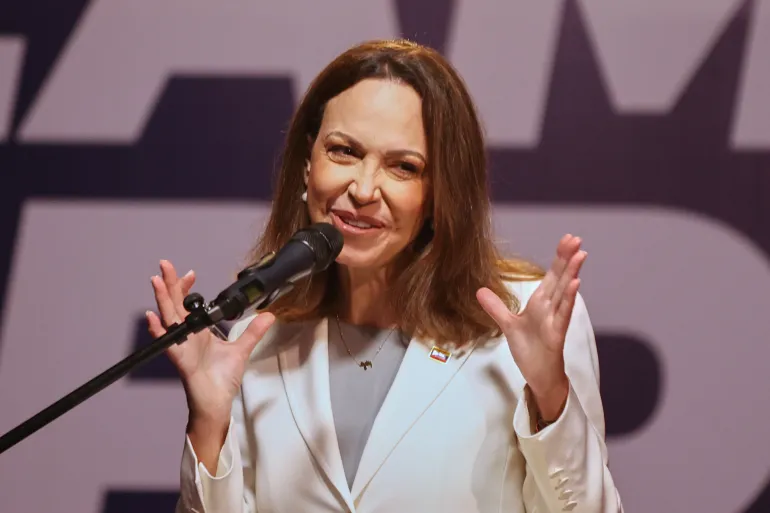
In her first public press conference since stepping back onto Venezuelan soil, Machado addressed supporters and the international press, declaring that her primary objective is to “mobilize society” as the nation navigates a complex political transition.
Demanding a Firm Timeline for 2027 Elections
Machado praised the Donald Trump administration and U.S. Secretary of State Marco Rubio, asserting that Washington’s January actions opened a “floodgate to freedom” by ending the rule of Nicolás Maduro, who currently faces federal charges in the United States.
Citing transition frameworks outlined by U.S. officials, Machado emphasized that the democratic roadmap must lead directly to free and competitive presidential elections in 2027.
While interim President Delcy Rodríguez publicly pledged that national elections will take place “with the world as witness,” authorities in Miraflores have yet to establish a confirmed date. Machado noted that she has not received formal outreach or direct communication from the interim administration regarding transition talks.
Criticism Over the 20% Crude Concession
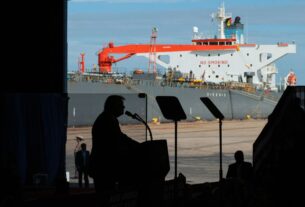
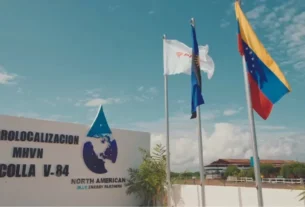
A central focus of Machado’s remarks was the high-profile energy agreement brokered between Caracas and foreign partners, which reportedly concedes operational rights tied to 20 percent of Venezuela’s crude oil reserves.
Machado openly pushed back against the terms:
-
Transparency Deficit: She cautioned that large-scale bilateral oil transactions negotiated behind closed doors fail to deliver the transparency and oversight demanded by the Venezuelan public.
-
National Resource Governance: While supporting private capital and economic revitalization, the opposition insists that long-term concessions over national reserves require democratic institutional legitimacy, clear legislative debate, and equitable benefit-sharing.
Political Realities on the Ground
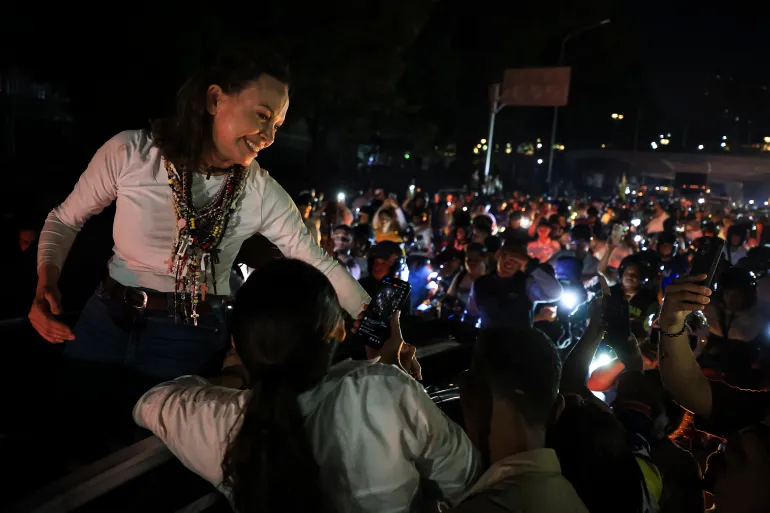
Machado’s return—following an escape by sea late last year to accept the Nobel Peace Prize in Oslo—was met by large motorcade crowds across Caracas. Interim authorities dismissed the public demonstration as political theater, underscoring the deep ideological divide that persists even as both sides formally prepare for court reforms and institutional dialogues.
With U.S. midterm elections highlighting Venezuelan crude flows to Gulf Coast refineries, the pressure on Caracas to balance economic concessions, labor shortages, and concrete democratic deadlines is expected to intensify across the coming months.