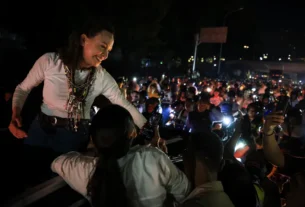
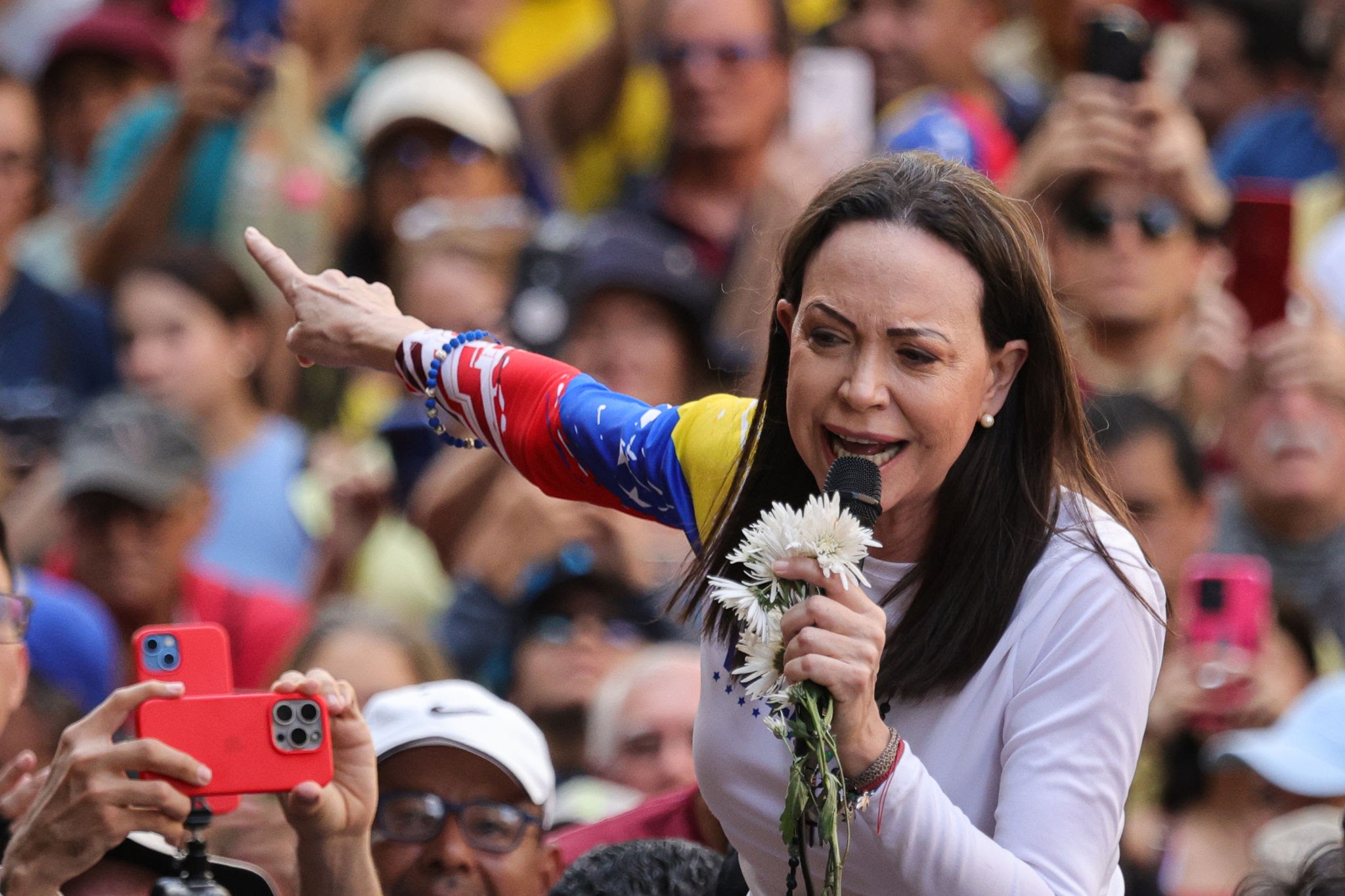
When Venezuelan opposition leader and Nobel Peace Prize laureate María Corina Machado stepped back onto home soil after nearly a year in exile, the emotional resonance across Caracas mirrored a historic homecoming. Thousands poured into the streets, waving flags and greeting her return with tears, chants, and uncontainable relief.
Yet behind the dramatic optics, international observers and diplomatic strategists point out a harsher political reality: if Machado hopes to convert symbolic popularity into a sustainable democratic transition, her single greatest challenge will not be rallying popular passion—it will be practicing strategic patience.
Echoes of 19th-Century Heroism vs. 21st-Century Realpolitik
Commentators have drawn parallels between Machado’s dramatic return and the legendary homecomings of 19th-century Latin American liberators. But modern statecraft is rarely solved by single heroic acts:
-
The Return of Hope: For ordinary citizens exhausted by hyperinflation, mass migration, and institutional decay, Machado reintroduces a crucial ingredient that has been largely missing from bilateral diplomatic negotiations: authentic popular hope.
-
The Peril of Overplaying the Hand: Grand political gestures without institutional backing risk backfiring. If opposition forces push for immediate disruption without securing institutional guarantees, the fragile space for dialogue could collapse.
The Diplomatic Tightrope: Caracas, Washington, and Oil
Machado’s arrival comes at an exceptionally delicate moment in regional geopolitics, characterized by complex calculations and shifting alliances:
| Strategic Player | Current Posture & Objective | Immediate Point of Friction |
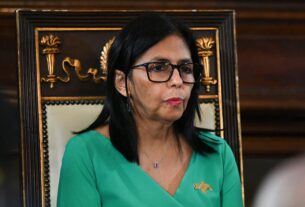
| Delcy Rodríguez / Miraflores | Consolidating authority, attracting foreign capital, and opening non-essential state assets | Downplaying Machado’s street influence while promising elections “with the world as witness” |
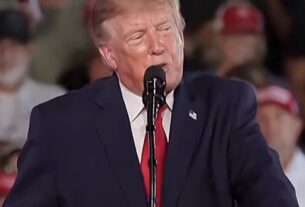
| Washington (Trump Administration) | Prioritizing crude supplies to Gulf Coast refineries, securing NABEP concessions, and regional stability | Balances support for democratic elections in 2027 against protecting newly negotiated energy pacts |
| María Corina Machado | Mobilizing civil society, demanding firm electoral timelines, and challenging opaque oil contracts | Walking a fine line between opposing Miraflores and avoiding direct confrontation with Washington’s energy deals |
Balancing Urgency with Institutional Endurance
Machado’s core demand—holding transparent, internationally monitored presidential elections—resonates deeply with the millions who supported the opposition’s mandate in 2024. However, transforming that street mandate into institutional reform requires navigating layers of military command, judicial committees, and international energy stakeholders.
The path forward will test Machado’s ability to coordinate with international allies, keep a weary domestic population engaged without exhausting them, and negotiate the tedious mechanics of transition without compromising core principles. For Venezuela’s defining opposition figure, enduring the waiting game may prove far more demanding than the journey home.