Ambitious political plans to ramp up Venezuelan crude output are colliding with a stark operational reality: the country is running out of the skilled workers needed to pull oil out of the ground.
While authorities in Caracas and international partners push for higher production quotas, executives across the energy sector warn that dilapidated infrastructure is only half the problem. Decades of economic turmoil triggered an unprecedented exodus of engineers, geologists, technicians, and specialized rig operators—leaving the nation’s primary revenue engine with a severe labor deficit.
Decades of Talent Lost
Venezuela was once home to one of Latin America’s most sophisticated petroleum workforces. However, mass dismissals in the early 2000s, followed by hyperinflation and infrastructure collapse, drove tens of thousands of experienced professionals abroad.
Today, Venezuelan technical talent anchors oilfields and refineries in Colombia, the United States, Mexico, and the Middle East. Luring them back has proven nearly impossible:
-
The Compensation Gap: Even with updated contracts and private bonuses, local compensation packages remain a fraction of international market rates.
-
Basic Quality of Life: Persistent blackouts, medical supply deficits, and concerns over personal safety deter diaspora families from returning to traditional oil hubs like Maracaibo, Anzoátegui, and Monagas.
-
The Generational Divide: The industry skipped training an entire generation. Older veteran engineers are retiring, while universities have struggled with underfunded engineering departments, producing fewer qualified graduates each year.
Aging Machinery Needs Expert Hands
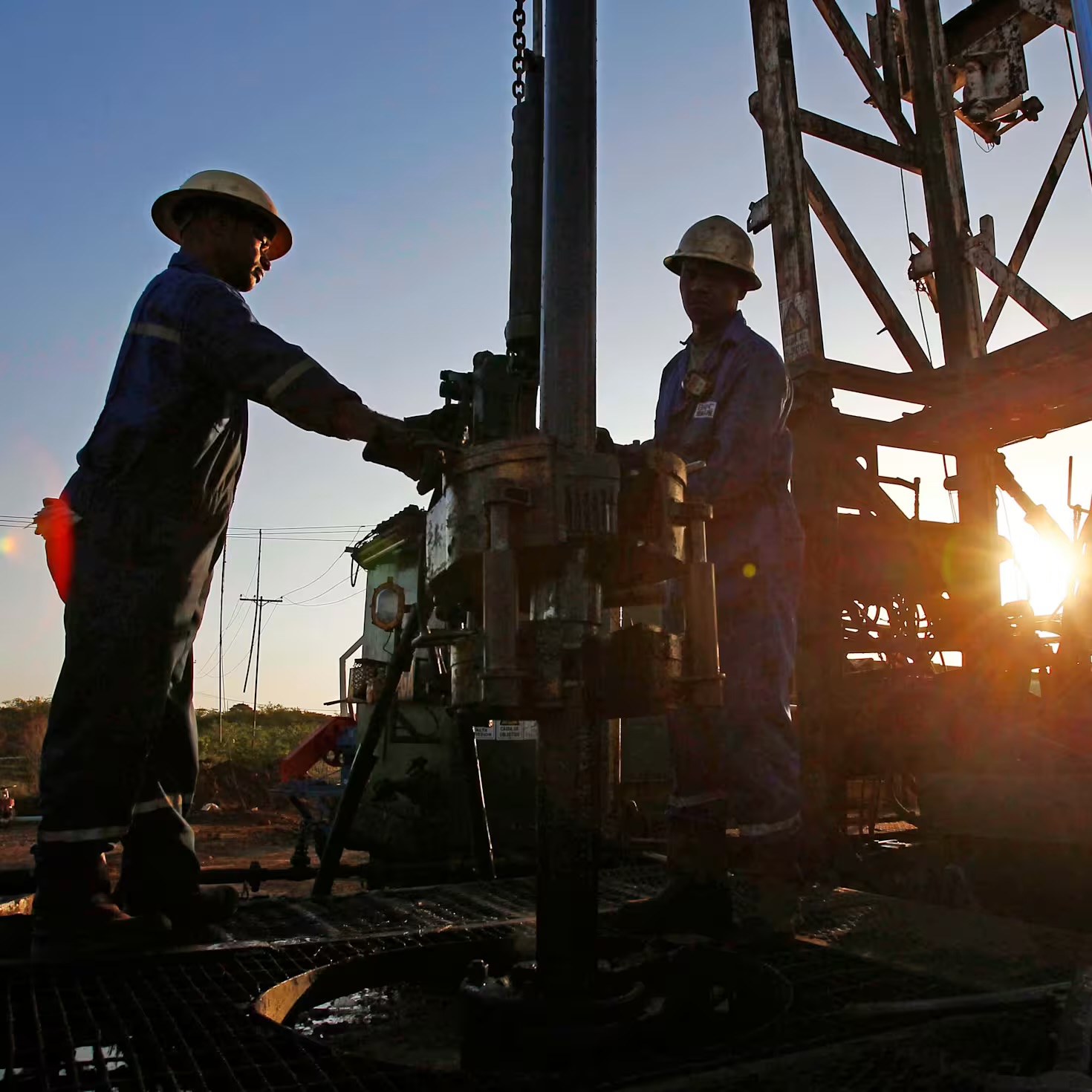
Extracting heavy crude from the Orinoco Belt or repairing corroded underwater pipelines in Lake Maracaibo requires specialized expertise. Unlike conventional light oil, extra-heavy crude depends on complex diluent blending, thermal recovery, and high-pressure steam injection.
Operating modern drilling rigs and rehabilitating dormant upgrader plants cannot be solved with unskilled labor alone. When inexperienced crews operate high-pressure machinery, fatal industrial accidents, spill risks, and equipment breakdowns spike, driving operational costs higher and canceling out potential revenue gains.
Can Foreign Capital Fix the Labor Gap?
Private operators entering joint ventures are exploring temporary workarounds:
-
Expatriate Fly-In Crews: Flying in foreign specialized contractors to oversee critical turnarounds and complex drilling runs—though this carries steep logistics costs.
-
Accelerated In-House Bootcamps: Establishing private corporate academies to rapidly cross-train junior technicians on safety protocols and modern pump maintenance.
-
Hard-Currency Incentives: Structuring offshore USD retention bonuses and comprehensive private medical plans for essential personnel.
The Long Road Ahead
Capital investment alone cannot extract crude; skilled people must operate the equipment. Until living standards stabilize and industry wages become competitive across the region, human capital will remain the tightest constraint on Venezuela’s energy ambitions.