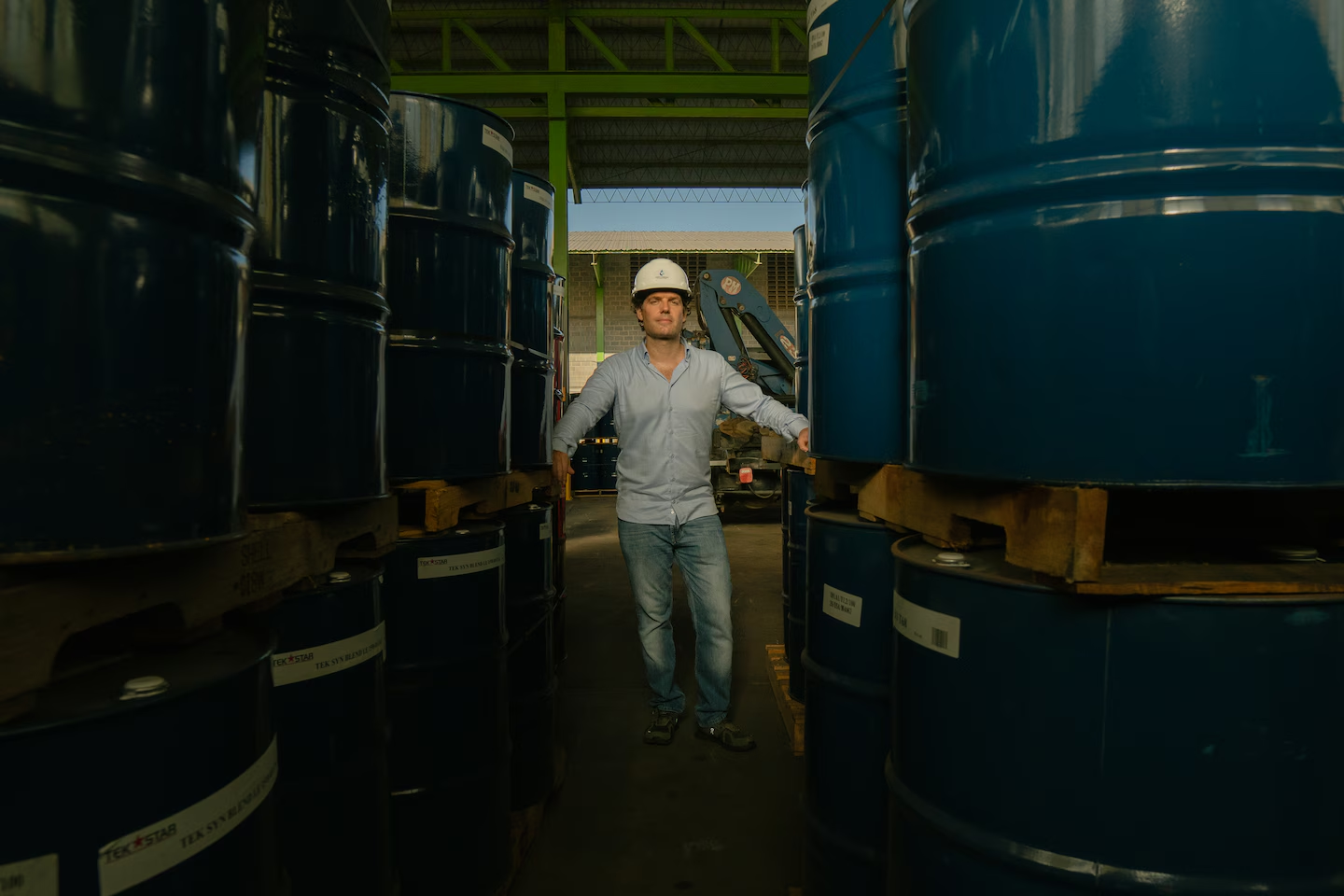
Across the sun-baked expanses of the Orinoco Belt and the aging derricks dotting Lake Maracaibo, a startling new chapter in Latin American energy politics is unfolding. An enigmatic Venezuelan billionaire—once an operator in the shadows of cross-border commerce—is now leading high-profile delegations across the nation’s most prized petroleum fields, openly branding the heavy crude beneath the soil as the cornerstone of a transformed regional order: “America’s oil.“
The spectacle captures a geopolitical pivot that would have seemed unthinkable just years ago: an impoverished, ideologically combative petro-state re-engineered by transaction diplomacy into a commercial frontier backed by Washington.
The Architecture of the Pact
At the center of this shift sits North American Blue Energy Partners (NABEP), a hybrid private venture steered by Venezuelan tycoon Alejandro Betancourt. The corporate entity serves as the tip of the spear for an agreement negotiated under the Trump administration that fundamentally recalibrated U.S.–Venezuelan relations:
-
Equity and Strategic Stakes: Under the terms forged in mid-2026, the U.S. government established a direct economic footprint in the arrangement, securing an equity position (roughly 35%) alongside preferential clauses that entitle American refiners to purchase significant shares of Venezuelan output at baseline production costs.
-
The Death of Ideology: Decades of fierce anti-imperialist rhetoric, sovereign resource nationalism, and state-monopolized extraction have been shelved. In their place stands a transactional reality: foreign oversight, private equity consortia, and U.S.-aligned corporate executives walking the drill sites once reserved for state-owned PDVSA loyalists.
-
Geopolitical Realpolitik: For Washington, the gambit promises secure, heavy-sour feedstock tailored specifically for Gulf Coast refining complexes, bypassing Middle Eastern transit choke points and locking down hemispheric energy supplies.
Decay on the Ground: Ambition Meets Reality
While policymakers and corporate leaders tout the venture as a historic commercial breakthrough, conditions inside the fields tell a far more complex story. Decades of institutional neglect, brain drain, and chronic underinvestment have left Venezuela’s energy grid and processing plants in profound disrepair.
-
Crumbling Infrastructure: The Orinoco Belt holds some of the world’s largest known reserves of extra-heavy oil, but converting that tar-like bitumen into marketable synthetic crude requires operational upgraders, reliable diluents, and uninterrupted electrical power—none of which currently operate at capacity.
-
Labor and Contractor Discord: Long-standing debts to local service contractors, disputes over vendor compensation, and a hollowed-out skilled labor force continue to hamper day-to-day operations.
-
The Yield Gap: Independent energy analysts remain skeptical that extraction numbers can meet the aggressive timetables promised by project architects. Bringing production back to competitive thresholds will demand billions of dollars in capital expenditure, well before significant returns flow back to investors.
A Fragile Compromise
The emerging arrangement positions Venezuela in an unprecedented status: neither a fully independent actor directing its own economic destiny nor an outright colonial outpost, but a nation navigating high-stakes dependence on foreign capital and political goodwill.
For the enigmatic figures orchestrating the deal on the ground, the venture represents a high-yield gamble with historic consequences. Whether it succeeds as an engine of long-term economic rehabilitation—or founders under the weight of decaying facilities and operational friction—will determine the balance of power across the Caribbean basin for years to come.